By The Shone Group
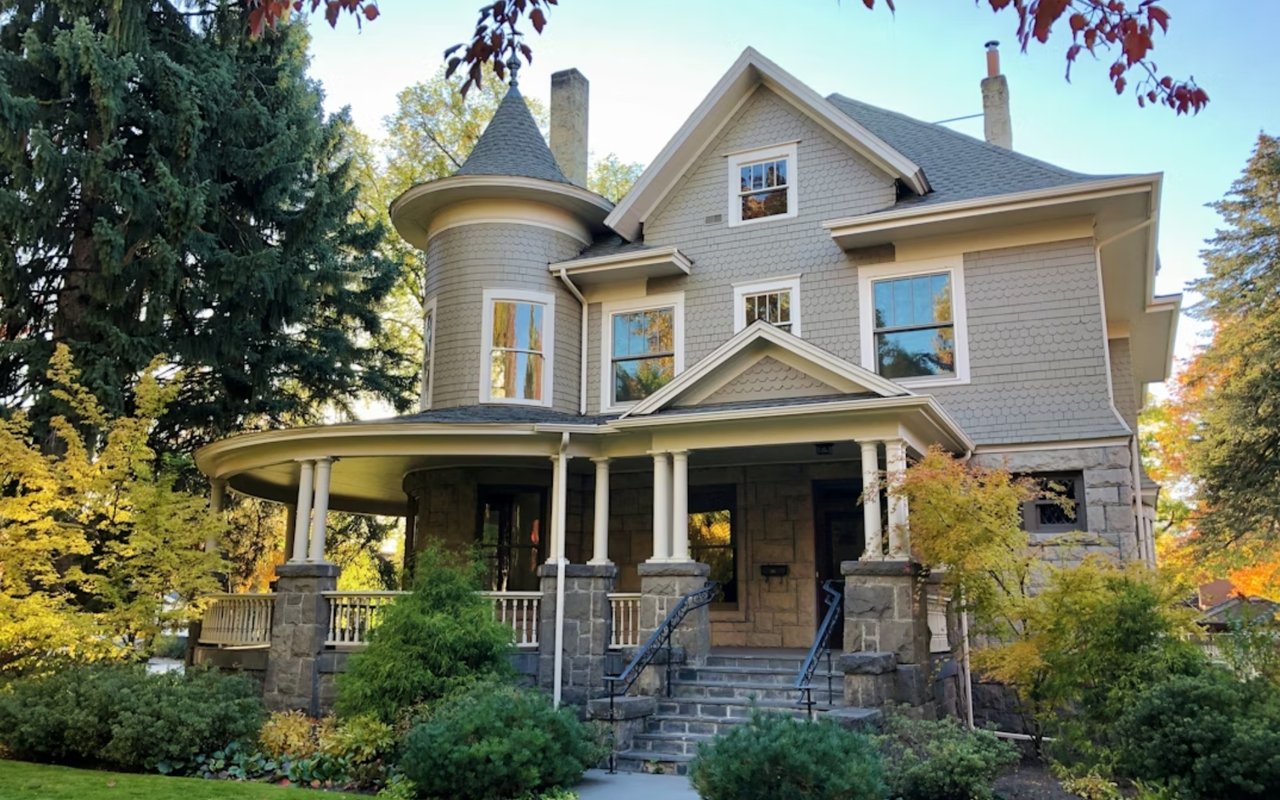
Sonoma's historic districts offer some of the most distinctive residential properties in California wine country. Adobe-style structures, Victorian-era homes, and early twentieth century craftsman bungalows within walking distance of Sonoma Plaza give buyers a property type that simply does not exist anywhere else in the region. Buying in a historic district requires a specific kind of preparation, and buyers who understand what they are getting into before they make an offer are the ones who get the most out of these properties.
Key Takeaways
- Learn what preservation guidelines and renovation restrictions apply to real estate in historic districts in Sonoma.
- Discover how to evaluate the condition and improvement potential of a historic Sonoma property before making an offer.
- Find out what financing and insurance considerations are specific to historic district properties in Sonoma.
- Understand how historic designation affects long-term value and resale performance in Sonoma's market.
Preservation Guidelines and What They Mean for Buyers
Real estate in historic districts in Sonoma is subject to oversight from local preservation authorities, and the scope of what those guidelines cover is broader than most buyers expect going in. Understanding the rules before you purchase is significantly easier than navigating them after the fact.
What Buyers Need to Know About Historic Preservation Rules in Sonoma
- Exterior modifications to properties within Sonoma's historic districts typically require review and approval before work begins, covering changes to windows, doors, siding, rooflines, and exterior finishes
- Approved materials lists govern repairs and renovations, which affects both cost and timeline compared to work on non-historic properties where material choices are unrestricted
- Interior renovations are generally not subject to historic review, but structural work that affects the exterior appearance of the home can trigger the approval process
- Some properties carry individual landmark designations that impose additional restrictions beyond the baseline historic district requirements
- Contractors with specific experience working within Sonoma's historic guidelines are essential for renovation projects, as familiarity with the approval process affects how smoothly and cost-effectively the work proceeds
Preservation guidelines protect the character that makes historic Sonoma properties worth purchasing in the first place, and buyers who understand them going in find them manageable rather than limiting.
Evaluating Condition and Improvement Potential
Older homes require more thorough due diligence than newer construction, and the inspection process for historic properties in Sonoma deserves both more time and more specialist involvement than a standard residential purchase.
Due Diligence Steps That Matter Most for Historic Sonoma Properties
- Hire an inspector with specific experience evaluating older homes, including familiarity with aging electrical systems, cast iron or galvanized plumbing, foundation types common to the era, and moisture issues particular to older California construction
- Order a dedicated roof inspection given the age of many historic Sonoma properties and the insurance implications of roof condition and material type in California's current market
- Review the property's permit history through the City of Sonoma to identify unpermitted work, open permits, or renovation projects completed without required historic review approvals
- Assess the cost and feasibility of any improvements you are planning before committing to a purchase price, including getting contractor estimates during the due diligence period rather than after closing
- Ask your agent to identify any deed restrictions, easements, or preservation covenants recorded against the property that could affect how you use or modify it going forward
A thorough inspection on a historic Sonoma home costs more and takes longer than a standard inspection, and that investment consistently pays for itself relative to the alternative.
Financing and Insurance Considerations
Historic properties in Sonoma present specific financing and insurance considerations that buyers need to address early in the transaction process rather than treating them as administrative details to handle at the end.
Financing and Insurance Factors Specific to Historic District Real Estate in Sonoma
- Standard conventional financing is available for historic homes in good condition, and renovation loan products such as the FHA 203(k) allow buyers to finance both the purchase price and qualifying improvements in a single loan
- Jumbo financing applies at Sonoma's price points for many historic properties, and lenders experienced with older California homes are better equipped to handle appraisal and condition questions that arise during underwriting
- Homeowner's insurance for older properties requires more attention than for newer construction, particularly around electrical systems, plumbing age, and roof condition and material
- Working with an insurance broker who specializes in historic California properties before you close is important, as coverage availability and premium levels vary significantly based on the property's specific systems and construction
Addressing financing and insurance early in the process prevents the last-minute complications that derail historic property transactions more often than any other factor.
How Historic Designation Affects Value
Historic designation in Sonoma is not a limitation on value — it is a protection of it. The guidelines that restrict certain modifications also prevent the kind of incompatible development and unsympathetic renovation that erodes the character buyers are paying for.
Why Historic District Real Estate in Sonoma Holds Its Value
- The scarcity of historic properties within walking distance of Sonoma Plaza creates a supply constraint that supports values independently of broader market conditions
- Preservation requirements maintain the architectural integrity and neighborhood character that distinguish these properties from standard residential inventory elsewhere in the county
- Buyers in Sonoma's historic districts are typically purchasing for the specific qualities that historic designation protects, which means demand remains concentrated and durable
- Well-maintained historic homes with sympathetic renovations consistently command premiums over comparable non-historic properties in Sonoma, reflecting the market's recognition of their irreplaceability
- The cultural and tourism appeal of Sonoma's historic core supports ongoing interest in these properties from buyers relocating from the Bay Area and beyond who value the authenticity of the wine country environment
Historic properties in Sonoma are not for every buyer, but for the buyer they are right for, they represent one of the most compelling real estate opportunities in the region.
Frequently Asked Questions
Are there tax benefits associated with owning historic real estate in Sonoma?
California offers the Mills Act program, which provides property tax relief to owners of qualified historic properties who commit to maintaining and preserving them. Eligibility and benefit levels vary by property and municipality, and we recommend consulting with a tax advisor familiar with California historic property programs before purchase.
How do I know if a specific property in Sonoma is within a designated historic district?
Historic district boundaries and individual property designations are documented through the City of Sonoma's planning department and through California's Office of Historic Preservation. We verify historic status for every property our buyers are seriously considering as a standard part of our due diligence process.
Can I add square footage or build an accessory dwelling unit on a historic property in Sonoma?
Additions and ADUs on historic properties are possible in many cases but require historic review approval and must meet design guidelines that ensure compatibility with the existing structure and neighborhood character. The feasibility varies significantly by property and location within the district, and getting a preliminary assessment from the City of Sonoma's planning staff before making an offer is a practical step for buyers with specific expansion plans.
Reach Out to The Shone Group
Historic district properties in Sonoma require buyers who are informed, patient, and working with a team that knows the specific requirements of this market segment. We have guided buyers through historic Sonoma transactions across a range of property types and price points, and that experience translates directly into better outcomes at every stage of the process, from identifying the right property to navigating preservation requirements to closing with no surprises.
To explore real estate in Sonoma's historic districts, we at The Shone Group are happy to put that experience to work for you. Reach out today to find the right historic property.
To explore real estate in Sonoma's historic districts, we at The Shone Group are happy to put that experience to work for you. Reach out today to find the right historic property.