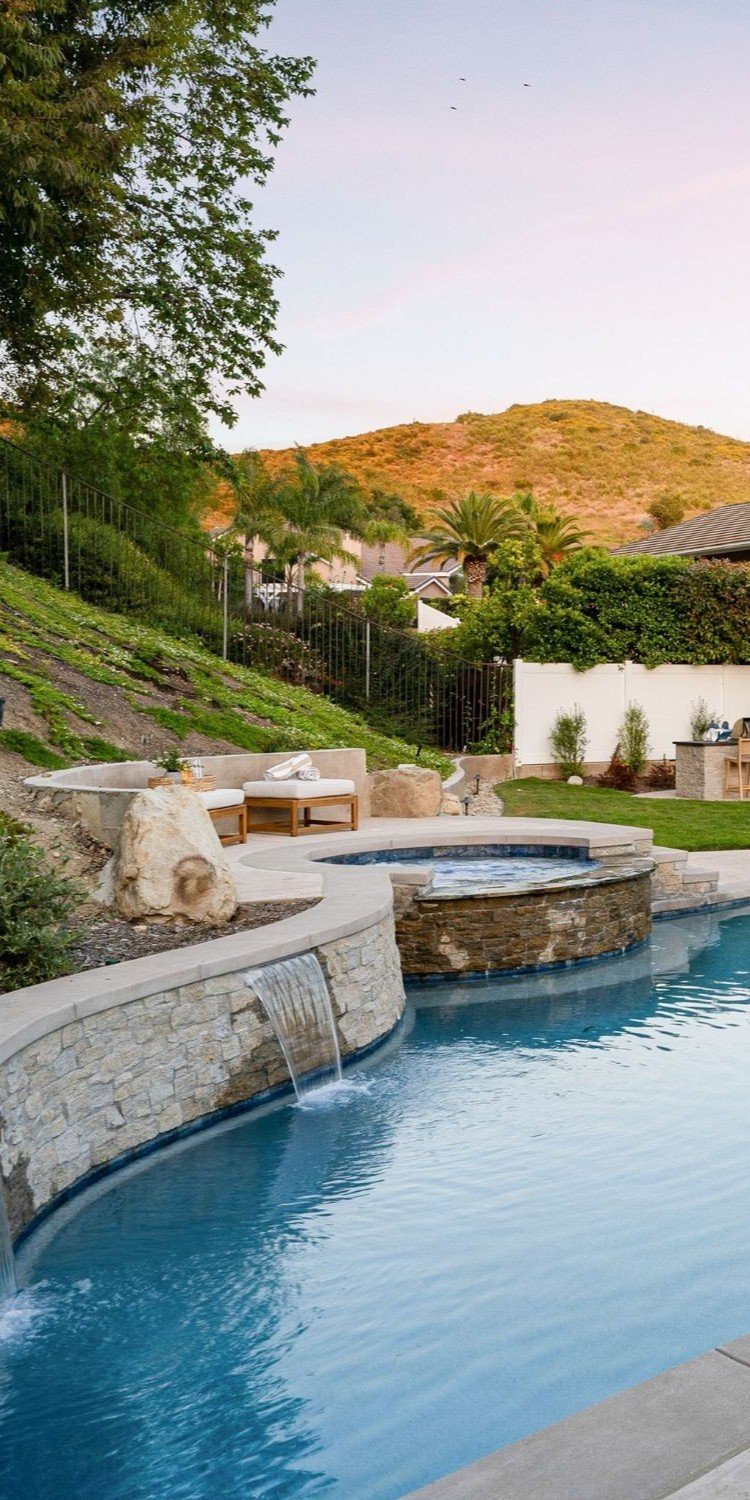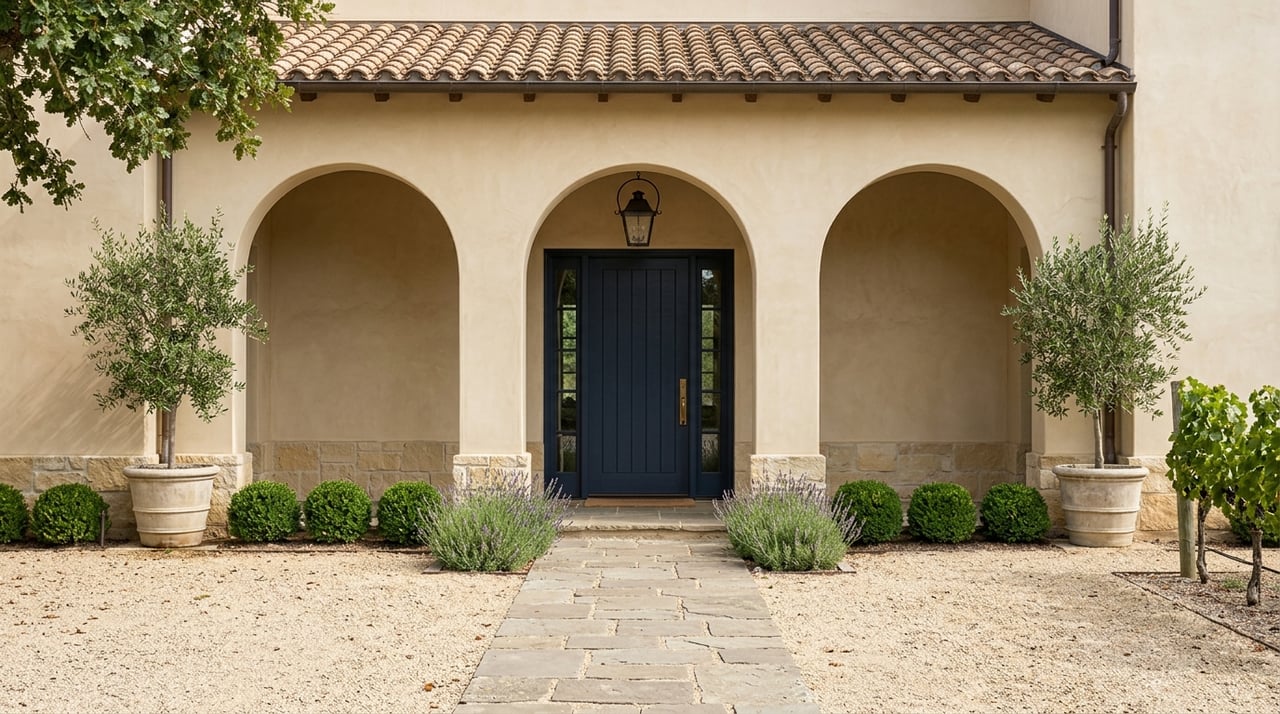
If you are selling a Glen Ellen vineyard or country compound, you are not bringing a typical home to market. You are likely selling acreage, privacy, land use potential, and a Wine Country lifestyle that appeals to a very specific buyer. That can create real opportunity, but it also means pricing, preparation, and marketing need more care than a standard listing. Let’s dive in.
Why Glen Ellen sells differently
Glen Ellen is a small Sonoma Valley village with a rural, destination-oriented character. It is known for wineries, Jack London State Historic Park, Sonoma Botanical Garden, hot springs, and its place within greater Sonoma Valley.
That setting shapes your buyer pool. Your likely audience may include Bay Area lifestyle buyers, second-home seekers, wine-focused buyers, and families looking for a legacy property with acreage and privacy. In other words, your property may compete for attention well beyond local move-up buyers.
That is one reason broad median numbers can miss the mark. Recent resale data shows Glen Ellen as a thin-data market, with only one home sold in the last three months in the reported sample and a median sale price of $840,000. For a vineyard estate or country compound, that kind of headline number is usually less useful than a close review of comparable acreage, improvements, land rights, and buyer appeal.
Price for the property, not the headline
Unique properties in Glen Ellen often need a longer pricing process. Recent upper-tier closings illustrate the point: one sale closed at $3.592 million after 96 days, another at $3.225 million after 337 days, and another at $1.3 million after 313 days.
The lesson is simple. A vineyard parcel, rural estate, or multi-structure compound should not be priced like a standard house on a standard lot. Buyers in this segment tend to look closely at the whole asset, including land usability, permits, systems, and long-term flexibility.
What buyers are really evaluating
When a buyer tours a Glen Ellen legacy property, they are often asking bigger questions than square footage and finishes. They want to understand how the land works, what has been legally built or improved, and what limitations may come with the property.
That means value can be shaped by factors such as:
- Acreage and privacy
- Vineyard rows or other usable land
- Guest structures and outbuildings
- Water and septic history
- Permit history
- Easements or land-use restrictions
- Fire and natural hazard disclosures
- The home’s relationship to Sonoma Valley amenities
For many sellers, this is the biggest mindset shift. In Glen Ellen, paperwork and clarity can influence value just as much as beautiful photography.
Organize documents before you list
The smoother your documentation, the more confidence you can create for buyers. In California, sellers generally need a Transfer Disclosure Statement, agency disclosure, a preliminary title report, and any applicable natural hazard disclosures.
These are not minor details. The Transfer Disclosure Statement addresses the property’s physical condition and potential defects or hazards, while natural hazard disclosures can alert buyers to issues that may affect development, insurance, or disaster assistance.
Start with county records
Many Glen Ellen properties are in unincorporated Sonoma County, so Permit Sonoma records can be especially important. The county offers public search tools by parcel, owner, or record number, and it maintains permit records for building, well, and septic history.
If your property has older structures, additions, wells, or septic work, gathering these records early can save time later. It can also help you answer buyer questions with confidence instead of scrambling mid-escrow.
Pull vineyard and land-use history
If your parcel includes vineyard land, buyers may want to understand past site development and whether there are any agricultural grading or drainage considerations. Sonoma County administers the Vineyard and Orchard Site Development Ordinance, and permit history can be searched by parcel.
The county also notes that new vineyard or orchard plantings and replantings in designated critical habitat require a biological assessment. Even if you are not planning new planting, buyers may still ask how the parcel has been used and what approvals may affect future changes.
Review contracts and easements
Some rural or agricultural properties carry additional restrictions or obligations. If your property is subject to a Williamson Act contract, agricultural preserve terms, or a conservation easement, buyers will want to review the agreement, approved uses, and any phase-out or stewardship requirements.
These items should be treated as front-end preparation, not last-minute disclosures. The clearer you are from the start, the easier it is for a serious buyer to evaluate the opportunity.
Prepare for hazard questions
In Glen Ellen, hazard-related questions are part of the conversation. Sonoma Valley Fire District applies the California Fire Code and NFPA standards, and Sonoma County hazard planning addresses risks that include wildfire and flood.
That does not mean every property has the same exposure. It does mean buyers are likely to ask thoughtful questions about defensible space, access, topography, flood exposure, and insurability. A well-prepared seller is ready to review disclosures clearly and calmly.
Present the property like a legacy asset
A Glen Ellen vineyard or country compound should feel edited, composed, and easy to understand. Buyers in this category are often responding to architecture, light, land, privacy, and the emotional experience of the setting.
That is why presentation matters. Recent staging research found that many buyers respond more favorably to staged homes, and some agents reported that staging increased offers by 1% to 5%. The most common improvements were decluttering, full-home cleaning, and curb appeal.
Keep staging restrained
For an estate-style property, the goal is not to make the home feel generic. The goal is to help buyers read the architecture, outdoor rooms, views, and flow of the property without distraction.
In practice, that usually means:
- Decluttering interior spaces
- Deep cleaning throughout
- Editing personal collections and excess furniture
- Refreshing entry sequences and landscaping
- Defining patios, terraces, and entertaining areas
- Making guest houses or ancillary structures easy to understand
A vineyard or compound often sells best when buyers can immediately see how the land and improvements relate to one another.
Protect privacy while staying market-ready
Privacy is a valid concern for many Glen Ellen sellers, especially for family estates, second homes, and high-value rural properties. Basic precautions can help you stay protected without limiting serious buyer interest.
Sellers are often advised to put away personal items, secure valuables, discourage unapproved photography through listing instructions and signage, and consider controlled property access. Those steps are especially useful when a home contains art, wine collections, sensitive records, or personal effects.
Consider a phased marketing approach
If discretion matters, there may be listing options that support a more private rollout, including office-exclusive or delayed-marketing approaches, subject to local MLS rules and seller disclosures. At the same time, the MLS remains the broadest marketplace for reaching serious buyers.
For many sellers, the best strategy is not choosing privacy or exposure. It is sequencing both thoughtfully. A measured launch can preserve discretion early while still creating meaningful reach when the property is ready.
Tell a story buyers can verify
A standout Glen Ellen sale usually combines emotional appeal with documented clarity. Beautiful images may get a buyer through the gate, but verified records often help them move forward.
Your marketing story should make the property legible. That may include acreage, guest accommodations, outdoor entertaining areas, water systems, vineyard components, permit history, and access to Sonoma Valley amenities. When those details are presented clearly, buyers can picture both the lifestyle and the practical realities of ownership.
Set expectations for timing
If you are selling a one-of-a-kind Glen Ellen property, it is wise to plan for months rather than weeks. Recent upper-tier sales took between 96 and 337 days to close.
That does not mean your property will take that long. It does mean patience, preparation, and precision matter. In a thin market, the goal is not to chase quick activity. It is to position the property correctly so the right buyer can recognize its value.
Why experienced guidance matters
Selling a vineyard or country compound often means managing more moving parts than a typical residential sale. There may be multiple structures, older permits, land-use questions, hazards, privacy concerns, or family decision-makers involved.
That is where local experience can make a meaningful difference. A calm, organized strategy built around pricing nuance, verified information, refined presentation, and discreet marketing tends to serve these properties best.
If you are thinking about selling a Glen Ellen vineyard or country compound, working with a team that understands Sonoma Valley’s rural and luxury market can help you make thoughtful decisions from the start. To begin the conversation, connect with The Shone Group.
FAQs
What makes selling a Glen Ellen vineyard different from selling a regular home?
- A Glen Ellen vineyard or country compound usually involves acreage, land-use questions, permit history, water or septic systems, hazards, and a narrower buyer pool, so pricing and preparation are more property-specific.
How long can it take to sell a Glen Ellen country compound?
- Recent upper-tier Glen Ellen sales took roughly 96 to 337 days to close, so sellers should generally expect a longer timeline than a standard home sale.
What documents should Glen Ellen sellers gather before listing?
- Sellers should generally organize the Transfer Disclosure Statement, agency disclosure, preliminary title report, natural hazard disclosures, and any available permit, well, septic, easement, vineyard, or land-use records.
Why do permits matter when selling rural property in Glen Ellen?
- Permit history can affect buyer confidence because it helps clarify what improvements were completed, what systems exist on the property, and whether there may be questions about structures, wells, septic, or vineyard-related work.
Should a Glen Ellen luxury property be staged before listing?
- In many cases, yes. Thoughtful staging, decluttering, cleaning, and curb appeal improvements can help buyers better understand the architecture, light, views, and outdoor living areas.
Can you market a Glen Ellen estate discreetly?
- Yes, some sellers may choose a more private or phased launch, subject to local MLS rules and required disclosures, while still planning for broader exposure when appropriate.
What tends to affect value most for a Glen Ellen legacy property?
- Beyond appearance, buyers often focus on acreage, privacy, land usability, guest structures, water and septic history, permit records, easements, hazard disclosures, and overall clarity around what the property offers.