If you are drawn to places with real character, Historic Downtown Petaluma by the river offers a setting that feels both grounded and lively. You may be looking for a home near restaurants, local shops, arts venues, and the water, while still wanting a neighborhood with a strong sense of history. This guide will help you understand what daily life looks like here, what makes the area distinct, and what to keep in mind if you plan to buy or sell. Let’s dive in.
Why downtown Petaluma stands out
Historic Downtown Petaluma grew on the southwest bank of the Petaluma River, and that riverfront history still shapes the area today. The city says the Petaluma Historic Commercial District covers much of downtown, includes 96 contributing buildings across about 23 acres, and was added to the National Register of Historic Places in 1995.
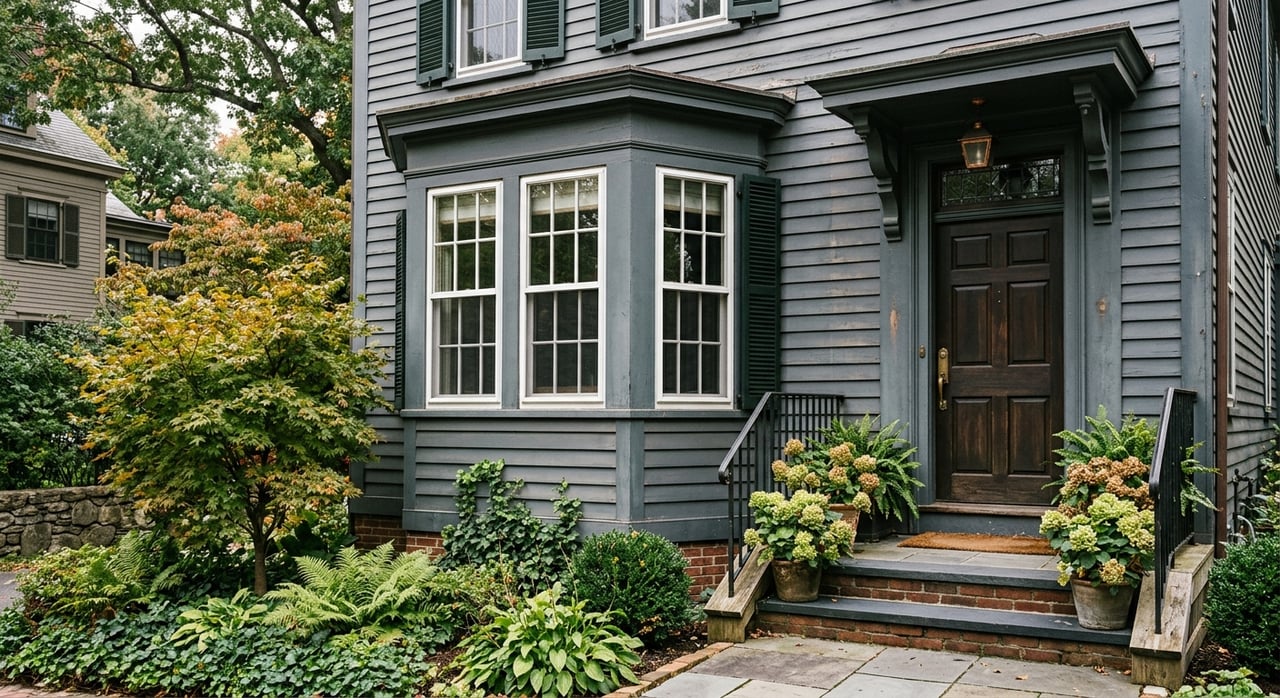
That history is visible in the architecture and street pattern. City materials describe the district’s preservation period as 1854 to 1945, with styles that include Late Victorian, Italianate, and Streamline Moderne. If you value places with texture and story, that built environment is a big part of downtown Petaluma’s appeal.
The historic feel does not stop at the main commercial core. Nearby Oakhill-Brewster and A Street are also designated historic districts, with a mix of older homes, apartments, offices, and churches. For you as a buyer, that means downtown is part of a broader historic setting rather than a single preserved block.
Riverfront living shapes daily life
The Petaluma River is more than a backdrop. The city calls it the jewel of Petaluma and notes that it has been a center of commerce and recreation since the mid-1800s. Living near it can add a sense of openness and connection that is hard to replicate in more conventional in-town neighborhoods.
The Turning Basin sits in the heart of downtown and helps define the experience of the area. According to the city, it offers a 500-foot transient dock, day-use berthing, and close access to dining, wineries, and artisan shops. Even if you are not a boater, that active riverfront presence adds energy and identity to the neighborhood.
For outdoor access, downtown also benefits from nearby wetlands and trails. The city reports that the surrounding wetland areas span roughly 500 acres and include more than 200 identified bird species. That gives you a rare combination of compact urban living and easy proximity to open space.
Walkability and local amenities
One of the biggest reasons people are drawn to Historic Downtown Petaluma is convenience. Visit Petaluma describes the shopping district as walkable and filled with independent shops, boutiques, galleries, antiques, and specialty stores. If you enjoy running errands on foot or spending a relaxed afternoon close to home, that pedestrian-friendly layout matters.
Downtown also has a strong food and beverage scene woven into everyday life. Tourism materials highlight downtown tasting rooms and a 1.6-mile wine stroll through the core. That does not mean every day feels like a getaway, but it does mean your neighborhood can offer a level of variety and atmosphere that many residential areas do not.
The physical setting adds to that experience. Streets include historic iron-front buildings, old river warehouses, and repurposed mill spaces alongside small businesses and creative offices. The result is a downtown that feels layered and active rather than uniform.
Arts and events add year-round energy
If you want a neighborhood with cultural activity, downtown Petaluma delivers. The Petaluma Arts Center describes itself as a community creative hub near the historic train depot and downtown SMART platform. That kind of nearby arts presence can shape how a neighborhood feels day to day.
The Mystic Theatre is another local landmark. The renovated 1911 vaudeville theater hosts live music in historic downtown, adding to the area’s long-standing entertainment identity. For residents, that means access to events and performances without needing to leave town.
Downtown also hosts recurring events that help reinforce a strong local rhythm. Signature gatherings include the Art & Garden Festival and the Spring Antique Faire. If you are considering living here, it is worth knowing that downtown is not just visually interesting, it is also socially active.
Parking and practical day-to-day logistics
Historic downtown living often comes with tradeoffs, and parking is one of them. The city says most street parking downtown is limited to two hours Monday through Saturday. That setup supports short errands and quick visits, but it works differently than larger suburban shopping areas.
Longer-stay parking options are available. The city points to City Hall lots, the Keller Street Garage, and the Theatre Square Garage for added parking access. If you are evaluating the neighborhood, it helps to think about how often you want to walk, drive, and host guests.
In many ways, these details are part of what comes with a compact, historic district. You may give up some convenience compared with a newer subdivision, but in return you gain a more connected and distinctive environment.
Transit and regional access
Downtown Petaluma is notably well connected for a smaller city. The SMART station at Petaluma Downtown sits next to the Copeland Street Transit Mall and connects with Petaluma Transit, Sonoma County Transit, Golden Gate Transit, and the free LumaGo shuttle. For buyers who split time between Sonoma County and the broader Bay Area, that can be an important lifestyle advantage.
The SMART station page also notes complimentary day-use parking and overnight parking for SMART riders. In addition, Golden Gate Transit lists Route 172 as weekday commute service between Petaluma and San Francisco. If regional access matters to you, downtown offers options beyond relying only on your car.
That connectivity can also support a flexible routine. Whether you commute part of the week, visit friends in Marin, or simply want more transportation choices, transit access adds another layer of practicality to the neighborhood.
What buyers should know
Historic Downtown Petaluma can be a strong fit if you want charm, a river-town setting, and close access to dining, shopping, and the arts. It may especially appeal to buyers who value architecture, local character, and a more walkable daily rhythm. The setting feels established and active at the same time.
At the same time, historic-district living comes with added considerations. The city says exterior work within historic districts is subject to design guidelines and historic review. That helps protect neighborhood character, but it can also make updates more regulated than in newer areas.
If you are shopping here, it is wise to look beyond finishes and floor plans alone. You will also want to understand the property’s historic context, how the location functions day to day, and what sort of upkeep or review may apply to future changes.
What sellers should keep in mind
If you own property in or near Historic Downtown Petaluma, your home may appeal to buyers looking for more than square footage. The combination of history, walkability, river proximity, and architectural texture can create a strong emotional connection. That means presentation and positioning matter.
Buyers in this part of Petaluma often respond to a home’s story, setting, and relationship to the neighborhood. A thoughtful marketing strategy should reflect not just the property itself, but also the lifestyle that comes with living near the river and downtown core.
This is also a market segment where details count. For distinctive homes, especially historic properties, pricing, preparation, and clear communication around condition and potential improvements can shape both interest and negotiation strength.
A historic district that is still evolving
One of the most important things to understand about downtown Petaluma is that it is not frozen in time. The city has approved a small Downtown Housing & Economic Opportunity Overlay near Petaluma Boulevard South and the SMART station. The stated goal is to encourage new housing and economic activity while preserving historic character and walkability.
That balance is part of what makes the area compelling. You are not choosing between preservation and relevance. Instead, you are looking at a district that continues to adapt while keeping the features that make it recognizable.
For many buyers and sellers, that is the sweet spot. Historic Downtown Petaluma offers a sense of place that feels established, yet still connected to the city’s future.
If you are thinking about buying or selling a distinctive home in Petaluma, local insight matters. The Shone Group brings deep Sonoma roots, thoughtful guidance, and experience with historic and one-of-a-kind properties across Wine Country.
FAQs
What is Historic Downtown Petaluma known for?
- Historic Downtown Petaluma is known for its riverfront setting, preserved commercial core, walkable streets, independent shops, arts venues, and architecture spanning styles such as Late Victorian, Italianate, and Streamline Moderne.
What is the Petaluma Historic Commercial District?
- The city says the Petaluma Historic Commercial District covers much of downtown, includes 96 contributing buildings across about 23 acres, and was listed on the National Register of Historic Places in 1995.
What is it like to live near the Petaluma River?
- Living near the Petaluma River means being close to the Turning Basin, downtown businesses, and nearby outdoor areas, with access to a setting the city describes as a center for recreation and community activity.
What should buyers know about historic homes in downtown Petaluma?
- Buyers should know that exterior work within historic districts is subject to city design guidelines and historic review, so future changes may be more regulated than in newer neighborhoods.
How walkable is Historic Downtown Petaluma?
- Downtown Petaluma is described as walkable, with independent shops, galleries, specialty stores, tasting rooms, dining, and arts destinations located throughout the core.
What transit options are available in Downtown Petaluma?
- The Petaluma Downtown SMART station connects with Petaluma Transit, Sonoma County Transit, Golden Gate Transit, and the free LumaGo shuttle, and Golden Gate Transit lists Route 172 weekday commute service to San Francisco.