Trying to choose between a home near Sonoma Plaza and a valley estate? In Sonoma, that decision shapes your daily life as much as your real estate search. You may be weighing walkability, privacy, land, upkeep, and how you actually want to spend your time. This guide will help you compare both paths clearly so you can focus on the setting that fits you best. Let’s dive in.
Sonoma Living Starts With Routine
In Sonoma Valley, the choice is often less about city versus country in the abstract and more about two distinct day-to-day rhythms. The valley stretches about 17 miles and includes the city of Sonoma along with nearby communities such as Glen Ellen and Kenwood.
For many buyers, the real question is simple: do you want to be close to the compact, historic center around Sonoma Plaza, or do you want a more spread-out wine country setting with land, views, and a retreat feel? Neither is objectively better. The right answer depends on how you want to live.
Why Buyers Choose In-Town Sonoma
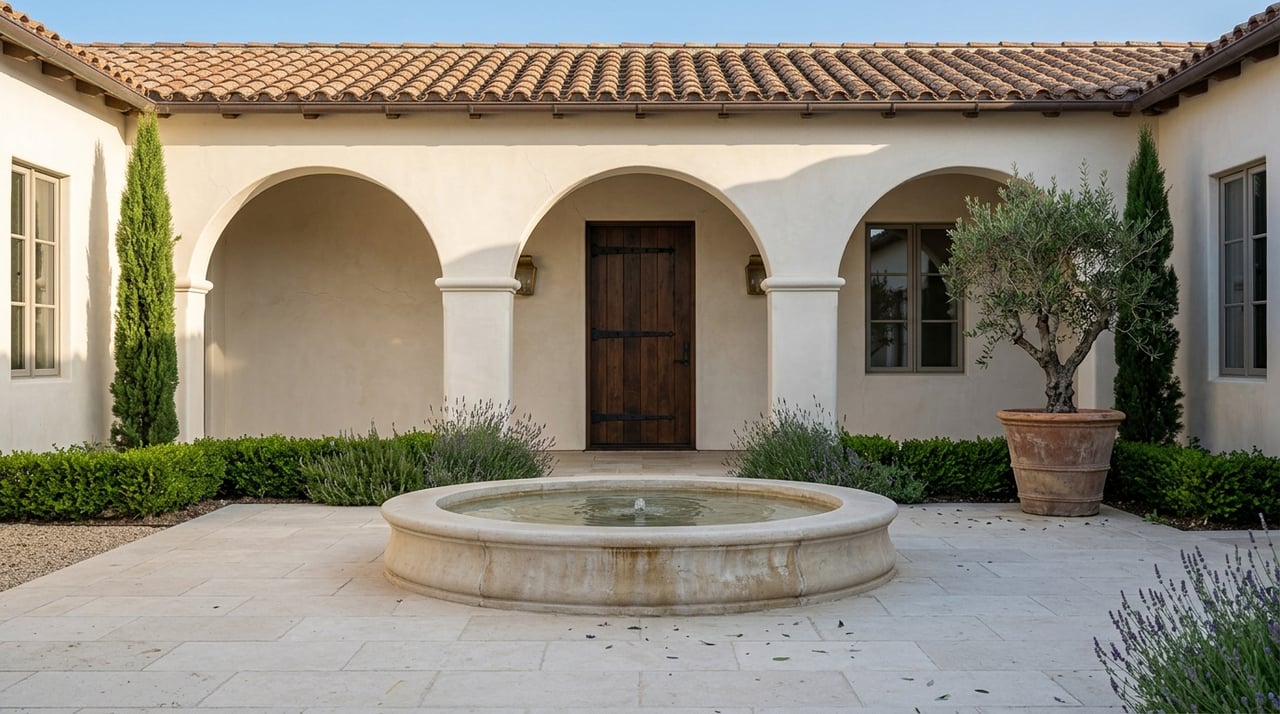
An in-town Sonoma home offers the most walkable version of Wine Country living. Near Sonoma Plaza, you can reach restaurants, tasting rooms, bars, and local attractions on foot, and Sonoma County Tourism notes that more than two dozen tasting rooms are within walking distance of the Plaza.
That convenience changes your routine in meaningful ways. Dinner out can be spontaneous, meeting friends can be easy, and local events become part of everyday life rather than something you plan around.
The Plaza Is a Daily Amenity
Sonoma Plaza is more than a landmark. It is an 8.5-acre public park that includes City Hall, the Visitors Bureau, fountains, a duck pond, a rose garden, public restrooms, and regular events, including the seasonal Tuesday Farmers Market.
If you enjoy being part of the local rhythm, this setting can feel especially easy. The Plaza functions as a civic and social hub, which gives in-town living a connected, active feel.
Convenience Is the Main Draw
In-town Sonoma can also simplify day-to-day logistics. The city provides two public parking lots near the Plaza, and free street parking is available downtown, although weekday time limits around the Plaza are part of the lived experience.
For many buyers, that tradeoff is worth it. You may give up land and a little quiet, but gain a lower-friction lifestyle with easier errands, shorter walks, and less property to manage.
Why Buyers Choose a Valley Estate
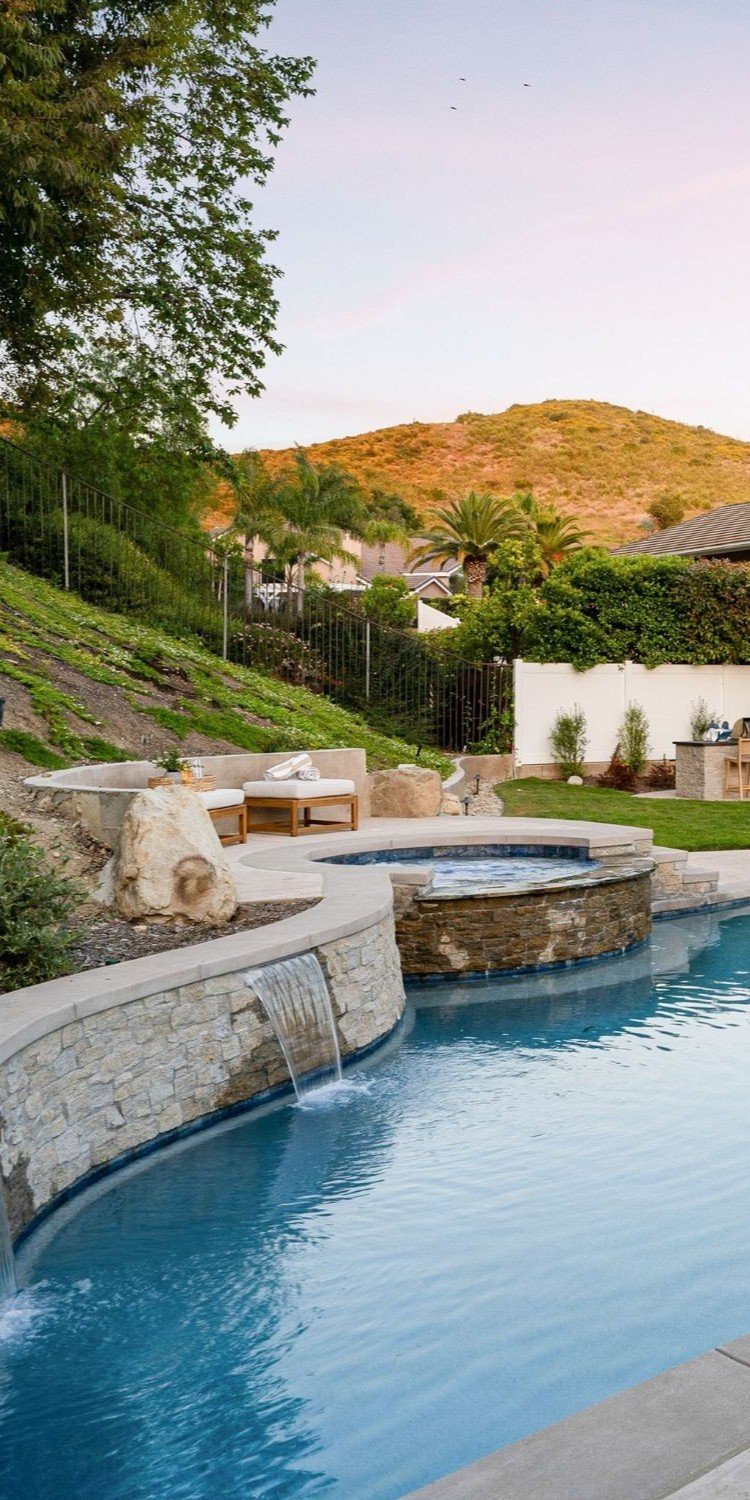
A valley or hillside estate offers a different kind of Sonoma experience. Instead of a downtown grid, you are surrounded by rolling hills, vineyards, meadows, and a broader open-space landscape.
This setting often appeals to buyers who want privacy, room to spread out, and a more retreat-like atmosphere. The pace feels different, and the property itself often becomes a larger part of daily life.
Outdoor Access Shapes the Experience
Northern Sonoma Valley is closely tied to outdoor destinations and landscape-driven living. Glen Ellen and Kenwood, for example, are set among hills and vineyards, with access to wineries, trails, and destination dining.
Jack London State Historic Park in Glen Ellen adds another layer to that lifestyle. The park spans 1,400 acres and offers more than 26 miles of trails and vistas, and it is about a 20-minute drive north of Sonoma. Sonoma Botanical Garden also emphasizes hillside walks and expansive valley views.
Privacy Often Comes With More Stewardship
A rural or hillside property can feel more private because it sits within a larger agricultural and open-space setting. That is a major reason many buyers look beyond the Plaza area.
At the same time, more land often means more responsibility. Even before you add features like a pool, gates, acreage, a long driveway, or specialty landscaping, the day-to-day ownership picture is typically more involved.
Utilities and Systems Matter More Than You Think
One of the biggest practical differences between in-town Sonoma and a valley estate is how the property functions behind the scenes. This is where lifestyle meets ownership reality.
City homes are more likely to align with municipal service systems. The City of Sonoma serves about 5,000 water utility customers, supplies water through its own system, and sends wastewater to the Sonoma Valley County Sanitation District.
Rural Properties Need Extra Diligence
Outside the city, buyers often need to evaluate private systems more carefully. Sonoma County states that private well water is not regulated by any government agency, which means the property owner is responsible for testing it.
Wastewater can also be different. In unincorporated areas, onsite wastewater treatment systems, often called septic systems, are governed by the county’s OWTS rules, so understanding system condition and capacity becomes an important part of your due diligence.
Future Improvements May Follow Different Rules
If you are considering additions, outbuildings, or an ADU, location matters here too. Sonoma County says that virtually any land development or construction in the unincorporated area is reviewed, permitted, and inspected by Permit Sonoma.
That does not mean rural improvements are not possible. It means the process may differ from what you would expect with a home on standard city services, and that difference is worth understanding early.
Wildfire and Climate Should Be Part of the Decision
In Sonoma Valley, ownership decisions are also shaped by local climate and fire conditions. This matters in town and outside town, but it often becomes a bigger part of the conversation with rural and hillside parcels.
CAL FIRE and the Office of the State Fire Marshal classify Fire Hazard Severity Zones as Moderate, High, or Very High based on factors like fuel, terrain, fire history, and weather. These maps show hazard, not immediate risk, but they are still an important ownership consideration.
Defensible Space Is an Ongoing Responsibility
The Sonoma Valley Fire District enforces defensible-space regulations year-round across improved and unimproved parcels. The State Fire Marshal also notes that owners in the State Responsibility Area or Very High Local Responsibility Area are responsible for defensible-space compliance.
For buyers considering a larger parcel, this is not just a seasonal checklist item. It can become a regular part of how you maintain the property.
Dry Conditions Affect Maintenance
Sonoma Valley has a Mediterranean climate and averages about 29 inches of rainfall per year. It is also described as one of Sonoma County’s driest regions.
That helps explain why irrigation, landscaping choices, and fire-conscious planting often become part of the long-term maintenance discussion. On a larger estate, these factors can shape both your budget and your time.
How To Decide Which Sonoma Fits You
If you are torn between the Plaza and a valley estate, start with your actual habits. The best fit usually comes from being honest about how you want to spend ordinary days, not just weekends or special occasions.
Here is a simple way to frame the decision:
Choose In-Town Sonoma If You Want
- A walkable routine
- Easy access to restaurants, tasting rooms, and events
- Frequent use of Sonoma Plaza and downtown amenities
- Simpler utility and maintenance systems
- Less land to manage
Choose a Valley Estate If You Want
- More acreage and separation from neighbors
- A landscape-driven setting with views and open space
- Closer connection to trails and outdoor destinations
- A more private, retreat-like feel
- Comfort with wells, septic systems, defensible space, and broader land stewardship
Sonoma Is Not Just Two Choices
It also helps to remember that Sonoma is not a strict binary. The valley includes in-between settings such as The Springs, Carneros, Glen Ellen, Kenwood, and other edge-of-town or lower-valley areas that can balance convenience and open-space living in different ways.
For some buyers, that middle ground is the right answer. You may not need a Plaza address to enjoy convenience, and you may not need a full hillside estate to gain privacy and a stronger connection to the landscape.
The key is to match the property to your real priorities. If you want Sonoma’s walkable daily rhythm, in-town living may serve you best. If you want land, quiet, and a more immersive Wine Country setting, a valley estate may be the better fit.
When you are weighing a nuanced lifestyle decision like this, local perspective matters. The Shone Group brings decades of Sonoma Valley experience and thoughtful guidance for buyers exploring everything from in-town residences to complex rural estates.
FAQs
What is the main difference between in-town Sonoma and a valley estate?
- The biggest difference is your day-to-day lifestyle. In-town Sonoma offers a more walkable, convenience-driven routine near Sonoma Plaza, while a valley estate offers more land, privacy, and a landscape-focused setting.
What makes Sonoma Plaza appealing for homebuyers?
- Sonoma Plaza is an 8.5-acre public park and civic hub with events, fountains, a duck pond, a rose garden, public restrooms, City Hall, and the seasonal Tuesday Farmers Market. It also places you near restaurants, tasting rooms, and other downtown amenities.
What should buyers know about rural Sonoma Valley properties?
- Rural properties may require more diligence around private well water, septic systems, permitting, landscaping, and wildfire preparedness. These homes often offer more privacy and land, but they usually involve more ongoing stewardship.
How does wildfire preparedness affect Sonoma Valley homeownership?
- Fire hazard zones, defensible-space rules, terrain, and dry conditions can all affect ownership, especially on hillside or rural parcels. Buyers should understand that wildfire preparedness may be an ongoing maintenance responsibility.
Are there options between downtown Sonoma and a large estate?
- Yes. Sonoma Valley includes areas such as The Springs, Carneros, Glen Ellen, and Kenwood, which can offer different blends of convenience, open space, and privacy.
How can you decide which Sonoma property type fits your lifestyle?
- Start with your daily habits. If you value walkability, events, and simpler systems, in-town Sonoma may be a better match. If you value acreage, quiet, views, and outdoor access, a valley estate may fit better.