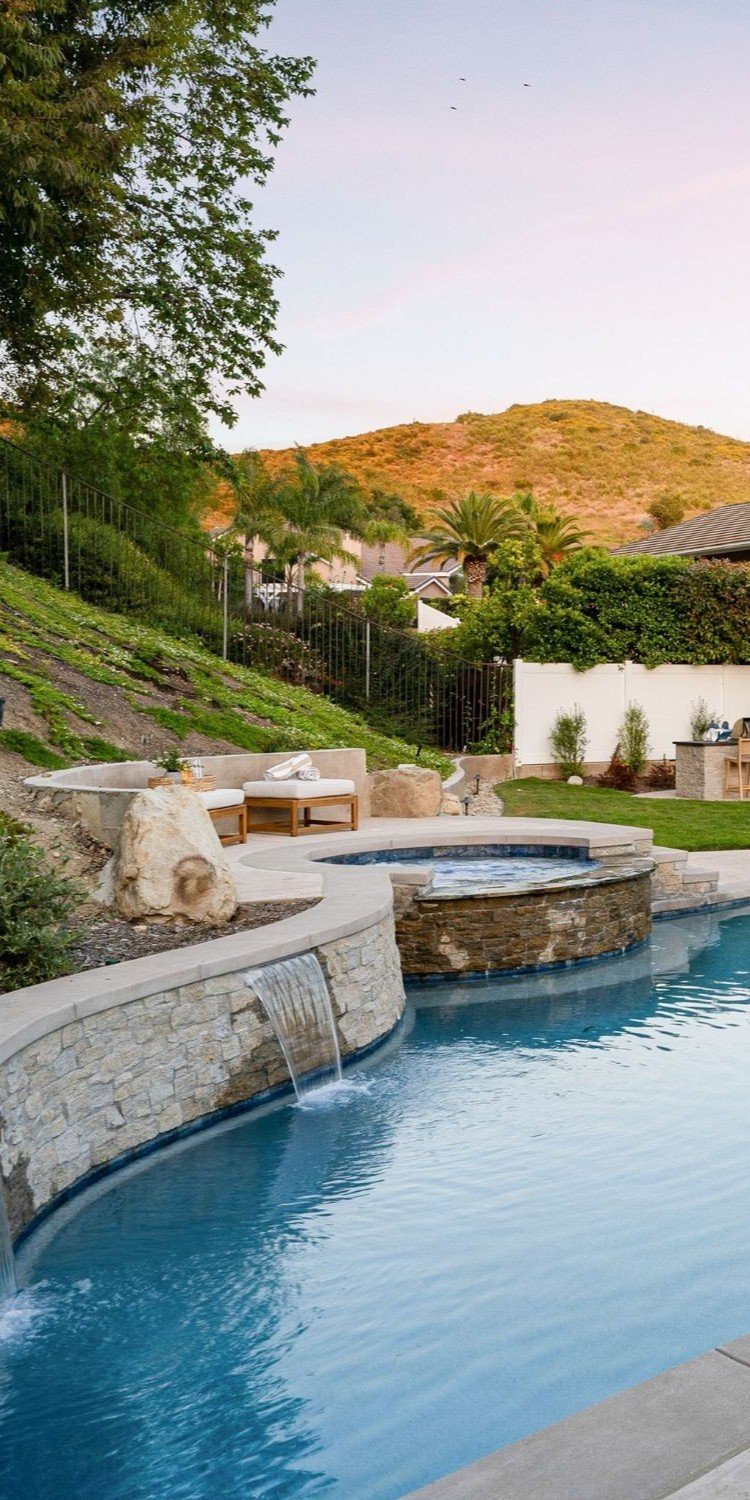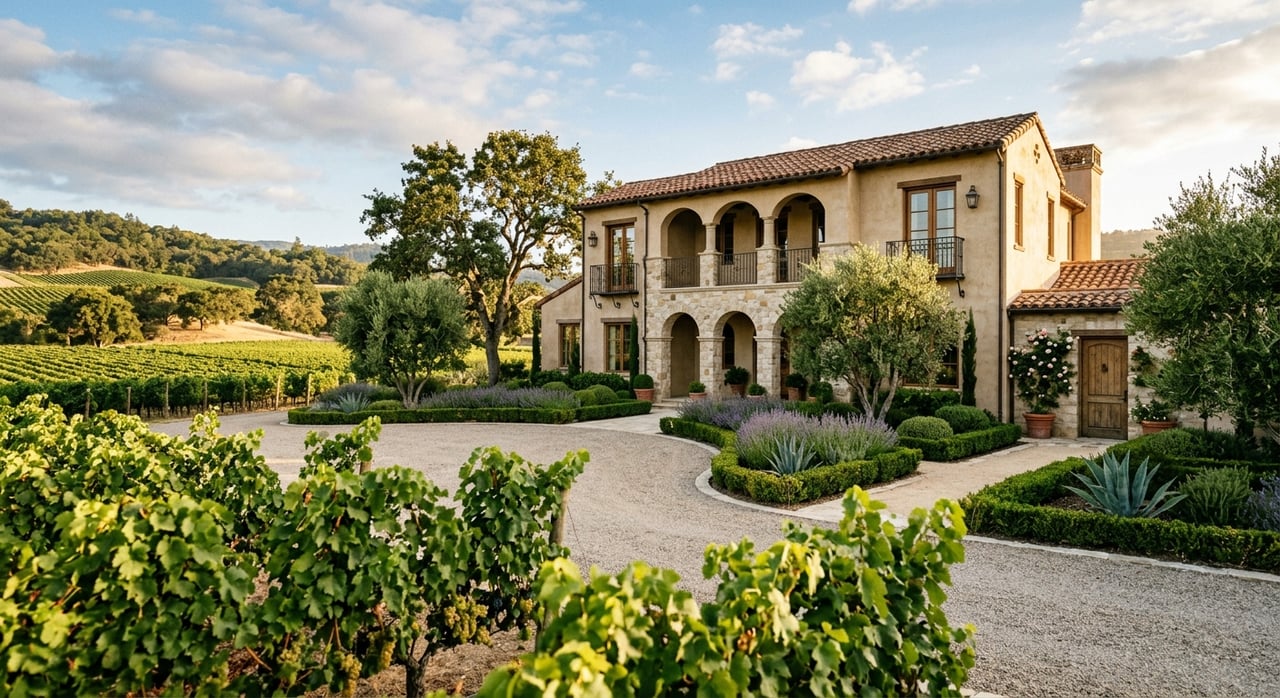
If you are thinking about buying in Kenwood along Highway 12, you are not just choosing a home. You are choosing a setting shaped by vineyard views, open space, small-community living, and parcel-by-parcel realities that can affect how you use the property. In a corridor like this, understanding the land is just as important as loving the house. Let’s dive in.
Why Kenwood’s Highway 12 Corridor Feels Different
Kenwood sits roughly halfway between Santa Rosa and Glen Ellen in Sonoma Valley, which gives it a distinct position in the broader Wine Country landscape. Sonoma County planning materials describe Highway 12 as the only transportation arterial connecting Sonoma to Santa Rosa, linking commercial areas with urban and rural residential areas, open space, and agricultural land.
That mix is a big part of why the corridor feels so special. You get a rural, scenic setting, but you are still connected to community destinations and daily routes through the valley. For many buyers, that balance is exactly the appeal.
Protected landscapes also shape the experience of living here. Sonoma Valley Regional Park notes that the Valley of the Moon Trail runs between Highway 12 and Arnold Drive, and the area is part of the Sonoma Valley Wildlife Corridor. Hood Mountain and Calabazas Creek help create the dramatic mountain backdrop that defines this stretch near Kenwood.
What You’re Really Buying Here
In many markets, buyers focus first on square footage and finishes. Along Kenwood’s Highway 12 wine corridor, the more important questions often start outside. The setting, topography, privacy, and relationship to open land can matter just as much as the residence itself.
County planning context points to a corridor shaped by scenic-highway policy, open-space buffers, and a mix of rural and village land uses. That means each property can feel very different, even when addresses are relatively close together.
Valley-Floor Parcels
Valley-floor and vineyard-view parcels often appeal to buyers who want open sightlines, easier access, and proximity to Kenwood’s village-scale amenities. This part of the valley reflects the overlap of Highway 12, protected open space, and community destinations.
If you value convenience without giving up a Wine Country setting, these properties can be especially compelling. In practical terms, they may offer a more straightforward day-to-day experience while still delivering the landscape people come to Sonoma Valley for.
Foothill and Ridgeline Properties
Foothill and ridgeline homes tend to offer larger views and more privacy. They also come with tradeoffs that matter. Sonoma County park materials describing Hood Mountain and the Mayacamas setting make clear that these elevated areas are defined by steeper terrain and a more dramatic landscape.
For buyers, that can mean a more secluded feel and stronger visual impact. It can also mean more attention to access, slope, site usability, and wildfire exposure.
Village Homes Near the Core
Homes near places like Kenwood Plaza Park or Shaw Park often attract buyers who want a smaller community feel and easier access to local services. You may give up acreage or panoramic views, but gain a more connected day-to-day lifestyle.
That tradeoff is worth thinking through early. If you picture quick access to the village core, a simpler homesite, and less land to manage, this part of Kenwood may fit your goals well.
Why Site Matters More Than Finishes
This is a site-driven market. A beautiful interior matters, but in Kenwood’s Highway 12 corridor, acreage, view planes, topography, and adjacency to protected land often carry equal weight.
That is because the corridor itself is defined by scenic conditions and land-use patterns that shape what ownership feels like over time. Two homes with similar interior quality can live very differently if one has easier access, gentler terrain, or a more usable outdoor footprint.
When you evaluate a property here, it helps to look beyond the obvious. Ask how the parcel sits in the landscape, how private it feels, what the approach is like, and how much of the site is practically usable.
Due Diligence Issues Buyers Should Watch
Buying in rural or semi-rural Wine Country usually requires more property-specific review than buying in a typical suburban setting. In Kenwood, several due diligence issues deserve close attention before you move forward.
Water and Septic Matter Early
Permit Sonoma says its Well & Septic Division reviews development proposals that rely on water wells or septic systems. It also states that non-emergency well permits are currently suspended under a Sonoma County Superior Court order.
That matters if you are buying land, planning future improvements, or considering a property where utility infrastructure is a key part of the value. For some buyers, this will be a central question, not a side detail.
Scenic Corridor Rules Can Affect Use
Sonoma County says Highway 12 is an officially designated state scenic highway. Permit Sonoma defines a scenic corridor as land adjacent to and within view of the right-of-way of such a highway.
County zoning materials also note that additional setbacks may apply near scenic roadways or waterways, and design review can be used in certain scenic resource areas to preserve scenic character. If you are considering expansion, new structures, or other changes, this is worth reviewing carefully.
Creeks and Drainages Can Add Review
If a parcel includes or touches a creek or drainage, riparian-corridor rules may come into play. Permit Sonoma says the Riparian Corridor Combining Zone protects mapped streams and habitat values, and new development affecting a riparian corridor requires authorization.
This does not automatically mean a property is unsuitable. It does mean you should understand how site conditions and county review could shape future plans.
Wildfire Planning Is Part of Buying Here
In Kenwood’s corridor, wildfire planning is a basic part of responsible ownership. CAL FIRE and the Office of the State Fire Marshal classify fire hazard zones as moderate, high, or very high based on factors such as fuel loading, slope, weather, and wind. The state also notes that these maps describe hazard, not risk.
The recent history of the region makes this especially important. The 2020 Glass Fire burned 67,484 acres and destroyed 1,528 structures across Napa and Sonoma counties, and Sonoma County Regional Parks later described extensive damage at Hood Mountain and full burn impacts at Sonoma Valley Regional Park.
For buyers, the key is not to react emotionally, but to evaluate thoughtfully. Home-hardening guidance from CAL FIRE highlights features such as Class A roofs, ember-resistant vents, dual-pane tempered glass windows, and keeping the first five feet around a structure noncombustible.
What To Look For During Your Search
As you compare properties, pay attention to:
- Roof type and condition
- Window type and exterior materials
- Vegetation close to structures
- Driveway access and site layout
- Slope and surrounding terrain
- The overall maintenance demands of the parcel
These details can help you understand how a property may function over time, especially if you are comparing village homes, valley-floor parcels, and hillside sites.
The Sonoma Valley Trail: Opportunity, But Not a Short-Term Assumption
Some buyers ask about future active-transportation options in the corridor. The main item to know is the proposed Sonoma Valley Trail, a planned 13-mile route along the Highway 12 corridor.
According to Sonoma County trail planning materials, the project has a completed feasibility study but is not fully funded. In Kenwood, the alignment shifts sides of the highway because public right-of-way is limited and planners are looking for opportunities to use public land.
That means it is best treated as a long-range possibility, not an immediate change you should build your buying decision around. It may be a positive future feature, but it should not replace careful analysis of the property as it exists today.
How To Match the Property to Your Lifestyle
The right purchase along Highway 12 depends on how you want to live. The corridor offers a real range of experiences, and each comes with its own strengths and responsibilities.
If you want quiet, privacy, and a more tucked-away feel, you may prefer a foothill or larger rural parcel. If you want easier access and a simpler daily routine, a home closer to Kenwood’s village core may make more sense.
If you are drawn to classic Wine Country views, valley-floor properties with vineyard outlooks may offer the right balance. The important thing is to weigh beauty, usability, infrastructure, and future plans together rather than focusing on any one feature in isolation.
Why Local Guidance Matters in Kenwood
In a corridor this nuanced, good advice is about more than finding inventory. It is about helping you understand what you are truly buying, from scenic setting and site usability to access, infrastructure, and long-term ownership considerations.
That is especially true in Kenwood, where a property’s value can be shaped by details that are easy to miss at first glance. A home may look turnkey, but the parcel itself often tells the deeper story.
For buyers considering the Highway 12 wine corridor, a measured, local approach can make the process clearer and more confident. If you are exploring Kenwood or other Sonoma Valley properties, The Shone Group offers deeply rooted Wine Country insight and experienced guidance for distinctive homes, land, and lifestyle-driven purchases.
FAQs
What makes buying in Kenwood’s Highway 12 corridor different from buying in other Sonoma Valley areas?
- Kenwood’s Highway 12 corridor is shaped by scenic-highway rules, protected open space, rural and village land uses, and parcel-specific factors like topography, views, and infrastructure.
What should buyers know about wells and septic systems in Kenwood?
- Permit Sonoma reviews development proposals that rely on wells or septic systems, and its current guidance says non-emergency well permits are suspended under a Sonoma County Superior Court order.
What should buyers know about wildfire conditions near Kenwood?
- Fire hazard classifications in California are based on factors like slope, fuel, weather, and wind, and buyers should evaluate property condition, defensible-space features, and home-hardening elements carefully.
What should buyers know about scenic corridor rules along Highway 12 in Kenwood?
- Because Highway 12 is an officially designated state scenic highway, some parcels near it may be subject to added setback or design-review considerations tied to scenic character.
What should buyers know about creeks or drainage areas on Kenwood properties?
- Parcels that touch mapped streams or riparian areas may require additional review, and new development affecting a riparian corridor requires authorization from Permit Sonoma.
What should buyers know about the planned Sonoma Valley Trail near Kenwood?
- Sonoma County describes the Sonoma Valley Trail as a proposed project with a completed feasibility study, but it is not fully funded, so buyers should view it as a long-term possibility rather than an immediate amenity.