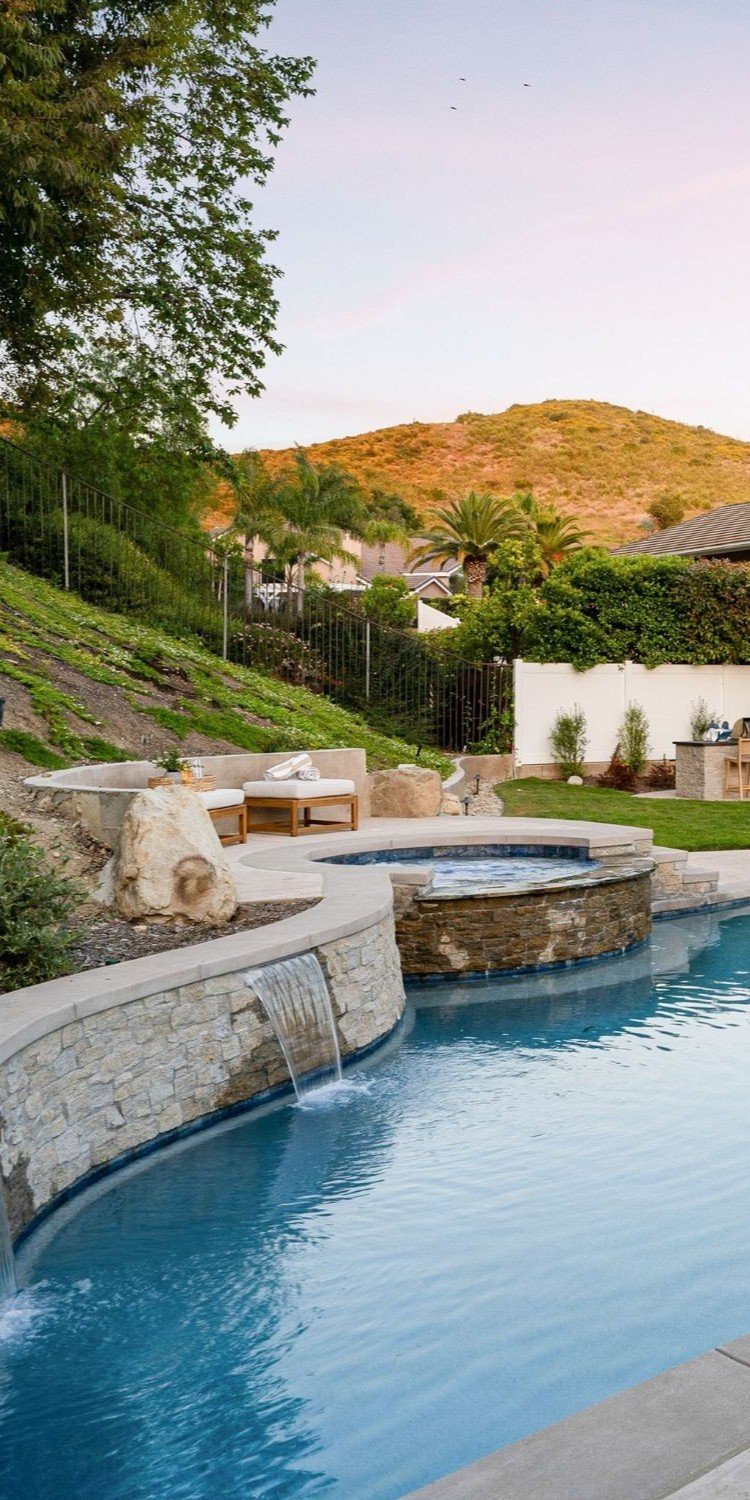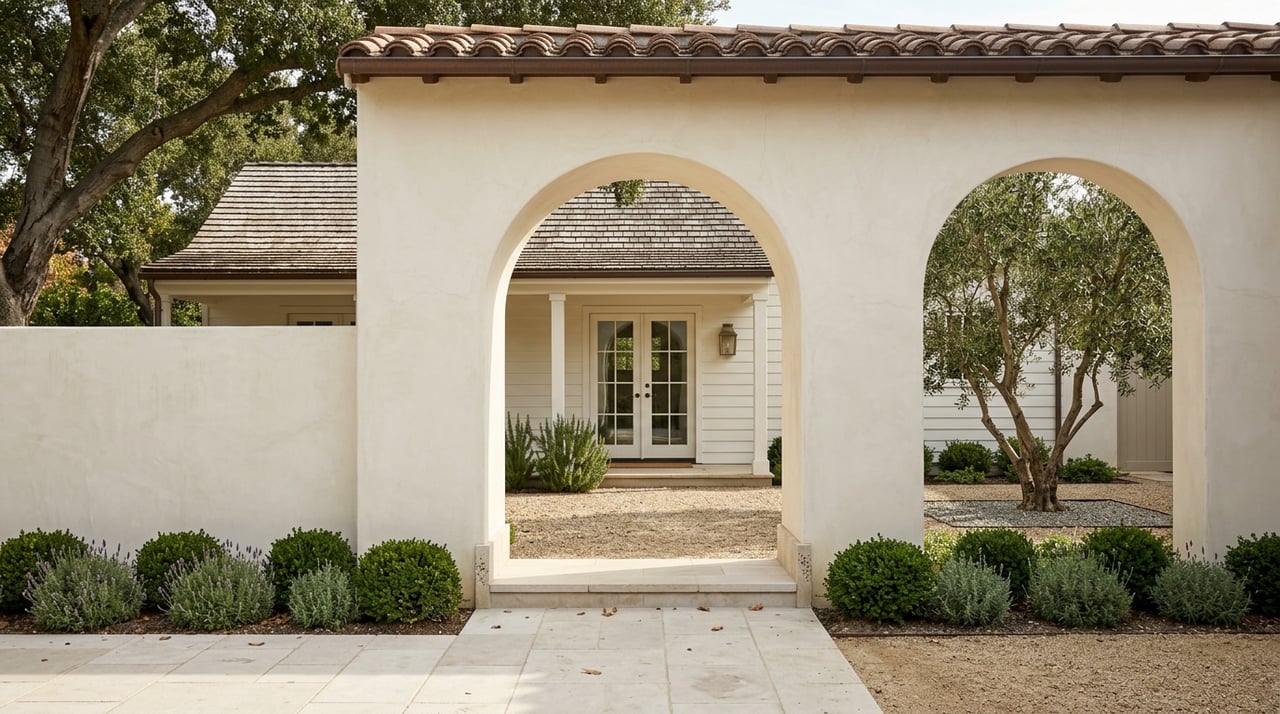
You do not have to choose between Bay Area access and Wine Country breathing room. For many buyers, the real question is whether one home can do both jobs well enough, or whether a two-home plan creates a better long-term fit. If you are weighing Marin City or San Rafael as your daily base and a Sonoma or Napa retreat as your second address, this guide will help you think through cost, logistics, risk, and lifestyle with more clarity. Let’s dive in.
Why Marin Works as the Base
Marin often makes sense as the primary home in a two-home strategy because it sits close to the Bay Area’s daily rhythms while still offering a softer landing than a denser urban setting. Marin County planning describes the eastern side of the county as a city-centered Highway 101 corridor, which helps explain why this part of the county functions well for households that need regular access south.
For many buyers, San Rafael stands out because of its practical transportation options. The city points to Marin Transit, Golden Gate Transit, Golden Gate Ferry, Marin Access, and SMART as key local and regional connections. SMART links San Rafael with Santa Rosa and Larkspur, while Golden Gate Ferry serves Sausalito, Tiburon, and Larkspur to San Francisco.
That network matters when you are trying to balance weekday structure with weekend flexibility. San Rafael also notes a familiar traffic pattern, with heavier southbound congestion in the morning and heavier northbound congestion in the evening. If your plan includes moving between Marin and Wine Country often, those patterns should be part of your routine planning.
Marin City and San Rafael in Context
Marin City and San Rafael serve different roles, but both fit into a broader southern and central Marin lifestyle. Marin City is one of Marin County’s unincorporated communities in the county’s southern corridor near the San Francisco side of the county. San Rafael, as the county seat and largest city, often feels like a practical center for day-to-day living, errands, transit, and regional access.
If your work, family schedule, or social life still ties you closely to San Francisco or the Peninsula, Marin can provide the steadier home base. In a two-home plan, that usually means your Marin property handles the week-to-week demands, while your northern property supports longer stays, entertaining, and slower time away.
What Wine Country Adds
A second home in Sonoma or Napa usually brings a very different experience from your Marin base. Instead of duplicating the same suburban lifestyle in another county, you are often buying into a different pace, different land conditions, and a different ownership experience.
Countywide figures support that contrast. Marin County’s median owner-occupied home value is $1,507,300, while Sonoma County’s is $815,500 and Napa County’s is $869,500. Median household income also differs, with Marin at $149,091, Sonoma at $104,674, and Napa at $111,471.
Those numbers do not make Wine Country inexpensive, but they do show that a Marin-plus-Wine-Country plan often involves two distinct cost structures. Many buyers are not comparing two near-identical homes. They are pairing a higher-cost, convenience-driven primary residence with a more lifestyle-driven retreat.
A Different Ownership Experience
A rural or semi-rural Wine Country property often asks more of you than an in-town home. In Sonoma County, permitting tracks well construction permits and non-standard onsite wastewater treatment systems. Napa County maintains a dedicated Well and Onsite Wastewater division, and county guidance notes that most rural residences use septic systems.
That means your second-home search may involve questions that do not come up as often in a more urban setting. You may need to look closely at water availability, well performance, septic capacity, access to services, and how the parcel functions in different seasons. A beautiful setting is only part of the picture.
The True Cost of a Two-Home Plan
A two-home strategy can be rewarding, but it works best when you underwrite it honestly. Beyond purchase price, you are taking on duplicate operating systems, duplicate maintenance, and duplicate planning.
One of the biggest tax realities involves California’s homeowners’ exemption. It applies only to a dwelling that is your principal place of residence on January 1, and the maximum reduction is $7,000 of taxable value. A vacation home or secondary home generally does not qualify.
That makes it important to define which property will truly serve as your primary residence. In practical terms, your second home should be budgeted with full carrying costs in mind. If the numbers work only when you assume both homes will be treated like a primary residence, the plan may need a second look.
Ongoing Operating Demands
Owning two homes is not only a financial question. It is an operational one. Landscape care, pest control, utilities, security, seasonal preparation, and emergency planning all become recurring tasks at two addresses instead of one.
In Marin, Sonoma, and Napa, that complexity can increase because of wildfire readiness, rural utility systems, and regional traffic patterns. The more parcel-specific your second property is, the more you should expect ownership to feel hands-on, even if the home itself looks effortless on showing day.
Wildfire and Insurance Need Early Review
Wildfire is not just a Wine Country issue. It is a regional issue, and it should be reviewed early whether you are buying in Marin, Sonoma, or Napa.
CAL FIRE classifies fire hazard as moderate, high, or very high based on factors such as vegetation, slope, weather, and ember movement. Marin County safety-element materials say about 82% of county land falls within moderate to very high fire-hazard categories. Sonoma and Napa also maintain county fire-hazard mapping materials, which is why parcel-level review matters so much.
Insurance Can Shape the Search
The California Department of Insurance says homeowners may earn wildfire-safety discounts by reducing wildfire risk through specified mitigation actions. It also describes the California FAIR Plan as a coverage backstop for people who cannot find other insurance.
The key takeaway is simple. Insurance review should begin before or during property selection, not after escrow. A home’s setting, access, vegetation, and hazard profile can all affect insurability and cost.
There is also more than one risk layer to review. The California Department of Insurance notes that homeowners’ policies typically exclude flood, mudslide, and debris flow. If you are considering hillside, creek-side, or canyon properties, those exposures deserve separate attention.
When Marin Alone May Be Better
A two-home plan is appealing, but it is not always the smartest answer. In some cases, one well-chosen Marin home may serve you better.
This can be the stronger path when you need frequent San Francisco or Peninsula access, want transit and services nearby, and prefer a simpler maintenance load. If your schedule is full and your free time is limited, one primary residence may give you more ease and more actual enjoyment.
For some buyers, the dream of a retreat is strongest before the realities of upkeep set in. If you know you will use a second home only occasionally, it is worth asking whether the added ownership burden supports your lifestyle or competes with it.
When Wine Country Alone May Be Better
For other buyers, the better answer is to skip the split and live full-time in Wine Country. This tends to fit households that care more about space, privacy, acreage, and a slower pace than about regular Bay Area access.
The tradeoff is that parcel-level due diligence becomes much more important. Wells, onsite wastewater systems, wildfire exposure, insurance, and service access can all play a larger role in your decision. If you are comfortable with that complexity, one well-selected Wine Country property may deliver the lifestyle you really want without the duplication of two homes.
When the Two-Home Plan Makes Sense
The two-home approach tends to work best when you will genuinely use both properties and have the budget, time, and systems to support them. It can be a strong fit if your Marin home serves your workweek, transportation needs, and day-to-day obligations, while your Wine Country property becomes a true place for extended stays, hosting, and restoration.
It also works better when each property has a clear job. One home handles access and convenience. The other handles space, landscape, privacy, and retreat. When both properties are too similar, buyers sometimes end up paying for overlap instead of meaningful lifestyle value.
Questions to Settle Early
Before moving forward, it helps to answer a few practical questions:
- Which home will be your principal residence for tax purposes?
- How often will you realistically use the second home?
- Are you comfortable with parcel-specific diligence such as wells or septic systems?
- Have you reviewed wildfire, flood, mudslide, or debris-flow exposure at the parcel level?
- Have you checked insurance options early enough for them to shape your decision?
- Do you have a realistic plan for ongoing maintenance at two addresses?
Clear answers can keep an appealing idea from becoming an expensive complication.
A More Intentional Way to Buy
The best two-home plans are not built on impulse. They are built on clarity about how you want to live, how often you will use each property, and what kind of ownership experience fits your time and priorities.
If you are balancing Marin convenience with Sonoma or Napa retreat living, it helps to work with an advisor who understands both the emotional appeal and the operational realities. Distinctive homes, rural parcels, and lifestyle-driven purchases often require more than surface-level comparison.
If you are considering a Marin base, a Wine Country retreat, or a more thoughtful combination of both, The Shone Group can help you evaluate the options with discretion, local insight, and experienced guidance.
FAQs
Should a Marin or Wine Country home be your primary residence?
- Your primary residence is the dwelling that qualifies as your principal place of residence on January 1 for California’s homeowners’ exemption.
Is a second home in Sonoma or Napa usually cheaper than a home in Marin?
- Countywide data show lower median owner-occupied home values in Sonoma and Napa than in Marin, but a second home still brings significant purchase and carrying costs.
Do rural Wine Country homes usually have city water and sewer?
- Not always. Sonoma and Napa county systems show that wells and onsite wastewater systems are common enough to require careful county-level review.
How important is wildfire review for Marin and Wine Country properties?
- It is very important because Marin, Sonoma, and Napa all include mapped fire-hazard areas, so parcel-level review should be part of the buying process.
When does insurance review matter in a two-home purchase?
- Insurance review should happen before or during property selection because hazard exposure and mitigation needs can affect both availability and cost.
Is a two-home plan in Marin and Wine Country practical for every buyer?
- No. It tends to work best when you will use both homes often enough to justify the added capital, tax, insurance, and maintenance demands.